

[vc_row][vc_column][vc_column_text css=””]
How to Choose a Drug Rehab in Thailand
[/vc_column_text][bsf-info-box icon_size=”20″ icon_color=”#ffffff” title=”SUMMARY” pos=”square_box” box_border_style=”solid” box_border_width=”4″ box_border_color=”#045689″ box_bg_color=”#ededed” title_font_style=”text-decoration:underline;,font-weight:bold;”]Choosing the right rehab center for addiction is a crucial step towards recovery. In recent years, Thailand has become a popular destination for alcohol and drug rehabilitation thanks to high-quality care, affordable prices and holistic treatment programs. As the number of treatment centers has increased, it can be difficult to know which treatment provider can best serve your unique needs.[/bsf-info-box][vc_column_text css=””]
What to Look for in a Thai Rehab Center
This treatment guide aims to help people make an informed decision by outlining some of the key factors to consider when choosing a rehab in Thailand. Whether finding a rehab online or through a referral from a medical professional, the 10 points highlighted below will improve the chances of finding a drug or alcohol rehab that can address your needs and provide the best outcomes.[/vc_column_text][/vc_column][/vc_row][vc_row][vc_column width=”1/2″][vc_separator color=”custom” align=”align_left” border_width=”5″ el_width=”30″ css=”” accent_color=”#045689″][vc_column_text css=””]
1. Staff Qualifications and Experience
The qualifications and experience of the staff who work at a rehab centre are important indicators of the quality of care you will likely receive. A reputable treatment center will employ licensed professionals such as doctors, nurses, psychologists, and certified addiction counselors. Additionally, look for staff who have specialized training in addiction treatment and experience in the field of recovery.
Whilst the leading rehabs mostly employ qualified staff, some rehabs in Thailand cut costs by employing interns and team members without experience. This means you are less likely to receive high quality care and supervision during your stay.[/vc_column_text][/vc_column][vc_column width=”1/2″][vc_single_image image=”2633″ img_size=”full” add_caption=”yes” alignment=”center” style=”vc_box_shadow_3d” css=””][/vc_column][/vc_row][vc_row][vc_column][vc_empty_space][vc_separator color=”custom” align=”align_left” border_width=”5″ el_width=”30″ css=”” accent_color=”#045689″][vc_column_text css=””]
2. Types of Treatment Program Offered
Inpatient treatment at Thai rehab centers for addiction and mental health is tailored to certain demographics. From luxury rehabs with 5 star facilities to basic temple based detox centers, the most common type of addiction treatment program you will find in Thailand is residential or inpatient rehab. This involves staying at the rehab facility for the duration of a treatment episode. Inpatient rehab is most suitable for severe addictions due to a structured environment free from external triggers.
Most rehabs require a stay of at least 28 days but it is common for people to stay for extended durations of 60, 90 or 180 days depending on someones needs.
Outpatient treatment including counseling is also an option for those with less severe addictions or where circumstances do no permit someone to enter a residential program (e.g. work or family commitments). Outpatient care is more affordable than inpatient treatment and is available in most countries. For this reason, there is no need to travel to Thailand for outpatient care.
Detoxification (Detox) is the process of withdrawal from substances. It is designed to help individuals safely withdraw from addictive substances under medical supervision. Depending on the treatment center, a detox may be offered onsite at the rehab center or at a partner facility before entering the residential program.
Dual Diagnosis Treatment is for individuals with both addiction and mental health issues. Dual diagnosis programs offer integrated care that addresses both conditions simultaneously. Co-occurring disorders can include anxiety, depression, or PTSD, in addition to a diagnosis of Substance Use Disorder.[/vc_column_text][/vc_column][/vc_row][vc_row][vc_column][vc_separator color=”custom” align=”align_left” border_width=”5″ el_width=”30″ css=”” accent_color=”#045689″][vc_column_text css=””]
3. Therapy and Treatment Approaches
Understanding the treatment methods and therapies offered by Thai rehabs can help you make an informed decision. Therapies that appeal to one person might not interest another. The philosophies and treatment methods you can find at rehabs in Thailand include:
12-Step Programs are based on the principles of Alcoholics Anonymous (AA) and similar fellowships. These programs focus on following a structured path to recovery. Most 12-Step based programs in Thailand do not focus much on the religious aspect of recovery, but include elements of the 12-Steps into a more comprehensive holistic program.
Cognitive Behavioral Therapy (CBT) focuses on identifying and changing negative thought patterns and behaviors associated with addiction. Addiction focused CBT can help you understand your negative self-talk and find more effective ways of thinking and behaving. At One Step, we use a tool called ABC (Activators, Beliefs, Consequences) which is color coded into ‘circles’ or zones which go on to create a discharge plan.
Holistic Therapies include alternative treatments such as yoga, meditation, Thai massage and art therapy; aiming to heal the mind, body, and spirit. It is the holistic component of treatment that has made Thailand such a popular destination for addiction treatment.
Evidence-Based Therapies are treatments backed by scientific research, including medication-assisted treatment (MAT), behavioral therapies, and motivational interviewing.
Consider a rehab center that offers a combination of therapies that align with your beliefs. At One Step, fitness and outdoor therapy are core components of our One Step to Recovery program. Combined with behavioral therapies, the dopamine diet and nutraceutical therapy, our program is unique.[/vc_column_text][/vc_column][/vc_row][vc_row][vc_column][vc_separator color=”custom” align=”align_left” border_width=”5″ el_width=”30″ css=”” accent_color=”#045689″][vc_column_text css=””]
4. Facilities and Amenities
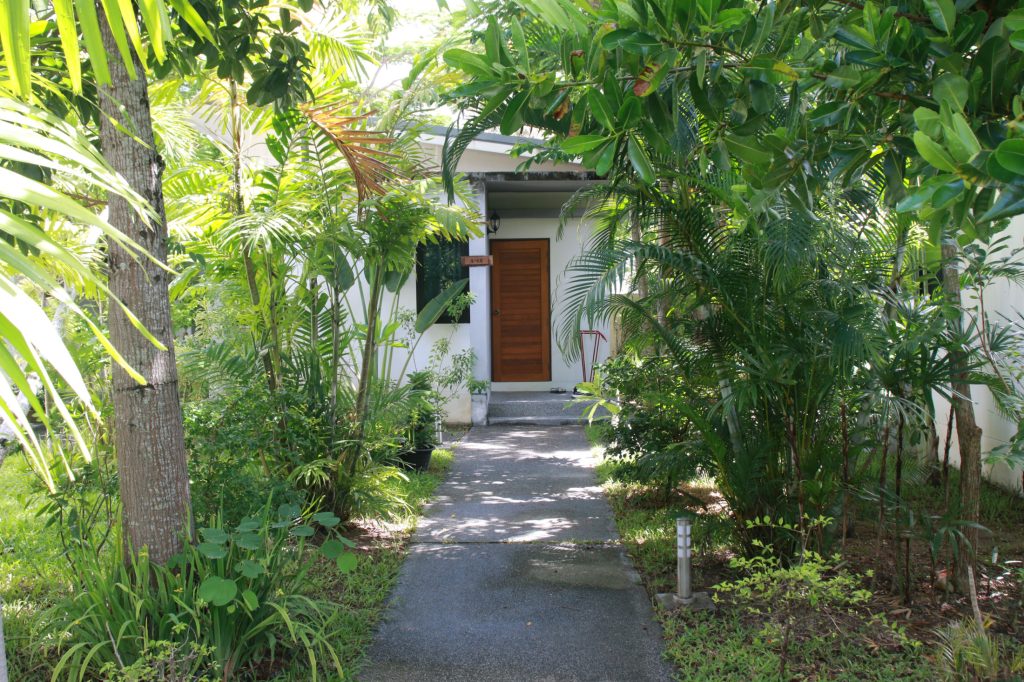
The treatment center environment can impact the recovery process. Rehabs in Thailand with limited space in a built-up area might feel claustrophobic after a few weeks, while large treatment facilities might lack the ‘community feel’ that is essential for successful recovery.
Thailand offers a good selection of rehabs, from luxurious resorts to ‘hippie’ retreats with basic accommodation. Consider the following aspects:
Location: A serene location away from distractions can enhance the healing process. Many drug rehab centers in Thailand are situated in beautiful surroundings with beaches, mountains or rivers close by. Some Thai rehabs make claims about their location that could be described as misleading so it is worth exploring the local area online to get some idea of what can be expected on arrival.
Facilities: Amenities such as swimming pools, fitness centers, spas, or private rooms can enhance the overall experience. At One Step, we have the most comprehensive fitness facilities of any treatment in Asia which sets us apart from other rehabs in Thailand. While luxurious amenities can enhance comfort, they should not be the sole factor in your decision. Focus on the quality of care and treatment programs first.[/vc_column_text][vc_single_image image=”2653″ img_size=”full” add_caption=”yes” alignment=”center” style=”vc_box_shadow_3d” css=””][vc_column_text css=””]Comfort and Cleanliness: A rehab facility should be comfortable, clean and well-maintained. Living conditions can make the recovery process more pleasant. While there is a correlation between the amount you spend on treatment and the standard of accommodation, you shouldn’t always expect high quality surroundings because of a high price.[/vc_column_text][/vc_column][/vc_row][vc_row][vc_column][vc_separator color=”custom” align=”align_left” border_width=”5″ el_width=”30″ css=”” accent_color=”#045689″][vc_column_text css=””]
5. Cost and Insurance
Cost is a significant factor for most people seeking addiction treatment. The cost of treatment in Thailand is generally lower than in Western countries, but prices vary widely depending on the rehab facility and treatment program. Prices over the last 10 years has generally remained stable with luxury rehabs charging about $15,000 for a 1 month program. At One Step, we believe our rehabilitation program offers exceptional value at only $7,950.[/vc_column_text][dt_quote type=”pullquote” font_size=”normal”]
“It’s essential to balance cost of rehabilitation with the quality of care received. Investing in a reputable rehab can significantly improve your chances of successful recovery!” – Peter Swallow
[/dt_quote][vc_empty_space][vc_column_text css=””]When evaluating the cost of rehab, consider the following:
Treatment Inclusions: Ensure you understand what is included in the cost of treatment. Some Thai rehab centers have all-inclusive pricing, while others may charge extra for certain services or amenities.
Insurance Coverage: International insurance plans may cover the cost of treatment at some treatment facilities in Thailand. For residents of Australia, releasing a superannuation on medical grounds is an option when insurance will not cover the cost of inpatient rehab in Thailand.[/vc_column_text][/vc_column][/vc_row][vc_row][vc_column][vc_separator color=”custom” align=”align_left” border_width=”5″ el_width=”30″ css=”” accent_color=”#045689″][vc_column_text css=””]
6. Success Rates and Outcomes
The complex nature of addiction can make it difficult to measure success rates. Some rehab centers in Thailand report their treatment outcomes with little evidence to support their claims. As it is challenging to measure exactly, you should be cautious of centers that guarantee success.
One Step only reports what it can measure accurately, such as a 97% program completion rate. We also ask clients to undergo a quick psychometric assessment of their overall functioning before, during, and after treatment to assess their overall coping skills. These are then measured at 3, 6, and 12 months. What we see is a marked decline in anxiety, stress, depression and substance use over that period. Addiction is a chronic relapsing condition, but of those who access treatment the success rate (measured by lower stress, anxiety and substance use) is much higher.
Long term relapse and recovery rates cannot be accurately measured by most small privately owned businesses, but at One Step, continued engagement with clients at 3, 6, and 12 months tells us that the majority of our clients do stay clean and sober.[/vc_column_text][/vc_column][/vc_row][vc_row][vc_column][vc_separator color=”custom” align=”align_left” border_width=”5″ el_width=”30″ css=”” accent_color=”#045689″][vc_column_text css=””]
7. Reputation and Reviews
Try to research the reputation and history of any rehab center you are considering. Reviews online can be helpful but should not be entirely trusted. It is possible to fake reviews, so look for testimonials from former patients and their families if possible. Additionally, consider how you could reach out to alumni of the program to ask about their experiences firsthand.[/vc_column_text][/vc_column][/vc_row][vc_row][vc_column width=”1/2″][vc_separator color=”custom” align=”align_left” border_width=”5″ el_width=”30″ css=”” accent_color=”#045689″][vc_column_text css=””]
8. Accreditation and Licensing
Accreditation ensures that healthcare providers meet certain standards of care and operate within ethical guidelines. International accreditation bodies include Joint Commission International (JCI) and the Commission on Accreditation of Rehabilitation Facilities (CARF). Rehabs in Thailand are usually licensed by the Ministry of Public Health. A misleading website that calls itself Licensed Thai Rehabs claims that ‘only 4 rehabs have reached a level of excellence that have been certified by the Thailand Ministry of Public Health’. This is not true. More than 50 private sector facilities and about 90 government rehabilitation facilities have a license to operate in Thailand.[/vc_column_text][/vc_column][vc_column width=”1/2″][vc_single_image image=”2661″ img_size=”full” add_caption=”yes” alignment=”center” onclick=”custom_link” img_link_target=”_blank” css=”” link=”https://www.moph.go.th/”][/vc_column][/vc_row][vc_row][vc_column][vc_separator color=”custom” align=”align_left” border_width=”5″ el_width=”30″ css=”” accent_color=”#045689″][vc_column_text css=””]
9. Aftercare and Ongoing Support
Addiction recovery doesn’t end with the completion of a residential rehab program. Ongoing aftercare and support are crucial for maintaining sobriety. Some Thai rehabs will offer free online aftercare for a limited time after completing an inpatient treatment program.
Ongoing support can include:
Face-to-face or Online Counseling to help manage triggers and prevent relapse.
Support Groups such as AA or NA to provide ongoing encouragement and accountability. This can be in Thailand or in your home country.
Sober Living to support individuals as they reintegrate into daily life. Some rehabs in Thailand have their own sober housing servies.
Follow-Up Programs: Regular check-ins or follow-up programs to monitor progress and address any challenges.
A good aftercare program can make a significant difference in long-term recovery success.[/vc_column_text][/vc_column][/vc_row][vc_row][vc_column][vc_separator color=”custom” align=”align_left” border_width=”5″ el_width=”30″ css=”” accent_color=”#045689″][vc_column_text css=””]
10. Legal and Ethical Standards
A reputable rehab center will operate within legal and ethical guidelines. This includes adherence to patient confidentiality laws, ethical treatment practices, and respect for patients’ rights. Clear information about their policies, procedures, and patient rights should be in place. Avoid treatment providers with a history of legal or ethical violations.[/vc_column_text][/vc_column][/vc_row][vc_row][vc_column][vc_separator style=”double” border_width=”2″ css=””][vc_empty_space][/vc_column][/vc_row]