

[vc_row][vc_column][vc_column_text css=””]
Buddhism’s Holistic Approach to Addiction Recovery
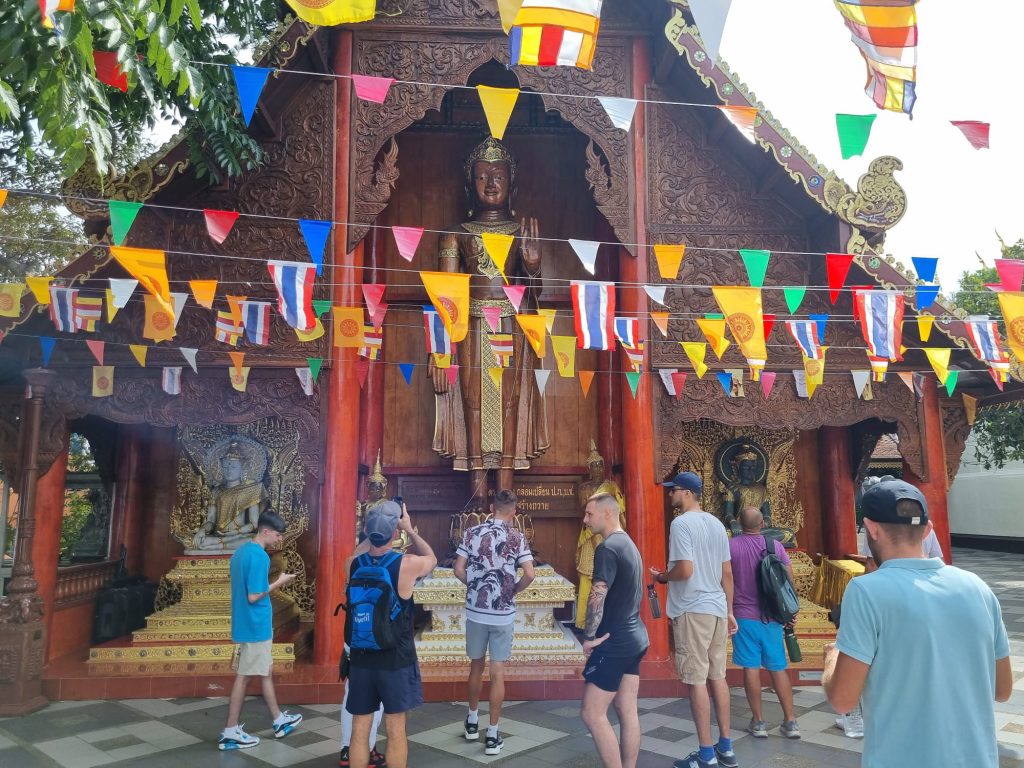
[/vc_column_text][bsf-info-box icon_size=”20″ icon_color=”#ffffff” title=”SUMMARY” pos=”square_box” box_border_style=”solid” box_border_width=”4″ box_border_color=”#045689″ box_bg_color=”#ededed” title_font_style=”text-decoration:underline;,font-weight:bold;”]Buddhist-based addiction treatment programs at rehab centers in Thailand offer a spiritually enriched approach to addiction recovery. By integrating mindfulness and self-awareness, rehabs like One Step in Chiang Mai can provide a treatment environment that can address the physical, mental, and emotional aspects of addiction for lasting recovery and personal growth.[/bsf-info-box][/vc_column][/vc_row][vc_row][vc_column width=”1/2″][vc_column_text css=””]As a predominantly Buddhist country, Thailand integrates Buddhist principles into its culture and daily life. Rehab centers in Thailand take advantage of this rich Buddhist heritage to offer holistic addiction and mental health treatment programs that can not be found in more ‘traditional’ rehab settings in other countries like the United States, UK and Australia.
With an emphasis on mindfulness and spiritual development, addiction rehabilitation programs in Thailand that cater to international clients have become increasingly prevalent.
The philosophical and psychological insights that Buddhism provides give a framework for understanding and addressing addiction – a complex interplay of physical, mental, and emotional factors. Buddhism’s holistic approach to human suffering, grounded in its core teachings, can be particularly effective in addiction recovery.[/vc_column_text][/vc_column][vc_column width=”1/2″][vc_single_image image=”2533″ img_size=”full” add_caption=”yes” alignment=”center” style=”vc_box_shadow_3d” css=””][/vc_column][/vc_row][vc_row][vc_column][dt_quote type=”pullquote” font_size=”normal”]
“Buddhist teachings offer a unique and multifaceted approach to addiction recovery that can help address the physical, mental, emotional, and spiritual aspects of addiction” – Eliana Littman
[/dt_quote][vc_empty_space][vc_column_text css=””]
Components of Buddhist-Based Rehab Programs
[/vc_column_text][vc_separator color=”custom” align=”align_left” border_width=”5″ el_width=”30″ css=”” accent_color=”#045689″][vc_column_text css=””]Mindfulness and Meditation: A key component of Buddhist practice, mindfulness and meditation form part of the treatment program in most Thai rehab centers. These practices help individuals to develop greater self-awareness, reduce stress and manage cravings. Mindfulness sessions are incorporated into weekly schedules at One Step to calm and focus the mind.
Ethical Living: The Five Precepts of Buddhism, which include abstaining from harm (to humans, animals, plants), stealing, sexual misconduct, false speech, and not taking intoxicants, serve as ethical guidelines that help to cultivate a moral foundation that supports their recovery journey.
Community and Support: The concept of “sangha” or community is vital in Buddhist practice. Rehabs like One Step Thailand emphasize group support and a sense of belonging and mutual assistance between participants. Group therapy sessions, communal activities and shared responsibilities are designed to build comradery between group members and establish a supportive recovery community.
Monastic Influence: Some rehab centers in Thailand collaborate with local monasteries or have monks attend the treatment facility. Excursions to visit temples and experience the serenity of a temple environment is a popular activity that is conducive to healing and self-reflection.
Self-Compassion and Insight: Buddhist teachings on compassion and understanding the nature of suffering also play a role. Treatment center residents are encouraged to develop self-compassion (for overcoming the guilt and shame associated with addiction), and insights into the impermanent nature of cravings and suffering (to help break free from the cycle of addiction).[/vc_column_text][/vc_column][/vc_row][vc_row][vc_column][dt_quote type=”pullquote” font_size=”normal”]
“By understanding the nature of suffering, cultivating mindfulness, and developing self-compassion, we can find a path to recovery that is both profound and sustainable.” – Alison Clark
[/dt_quote][vc_empty_space][/vc_column][/vc_row][vc_row][vc_column][vc_column_text css=””]
Understanding Impermanence
A central teaching of Buddhism is the concept of impermanence, or “anicca.” Everything in life is transient, including thoughts, emotions, and physical sensations. For individuals recovering from addiction, understanding the impermanent nature of cravings can be liberating.
Cravings, like all other experiences will ultimately arise and pass away. Recognizing and understanding this concept can therefore help resist the urge to act on cravings, knowing that they will eventually subside.[/vc_column_text][/vc_column][/vc_row][vc_row][vc_column width=”1/2″][vc_separator color=”custom” align=”align_left” border_width=”5″ el_width=”30″ css=”” accent_color=”#045689″][vc_column_text css=””]
Addressing the Root Causes of Addiction
Buddhism encourages self-exploration and understanding of the mind. With practices such as meditation and mindfulness, we can uncover the underlying causes of addiction such as unresolved emotional trauma or unmet needs.
By addressing these root causes, rather than merely treating the symptoms, we can learn to respond to stressful situations and negative emotions in healthier ways, reducing reliance on addictive substances or behaviors. When we feel more empowered to overcome addiction and create a fulfilling life, we make conscious choices that support well-being and long-term recovery.[/vc_column_text][/vc_column][vc_column width=”1/2″][vc_single_image image=”2569″ img_size=”full” add_caption=”yes” alignment=”center” style=”vc_box_shadow_3d” css=””][/vc_column][/vc_row][vc_row][vc_column][vc_column_text css=””]
Understanding the Nature of Suffering
At the heart of Buddhism is the understanding of suffering, or “dukkha.” Buddha’s First Noble Truth states that life involves suffering. This includes the pain of addiction. The Second Noble Truth identifies the cause of suffering as attachment and craving (“tanha”). Addiction can therefore be seen as a form of craving that leads to suffering. By understanding the nature and causes of this suffering, people in recovery can begin to address the root of their addictive behaviors.[/vc_column_text][dt_quote type=”pullquote” font_size=”normal”]
“Buddhism’s holistic approach not only helps individuals overcome addiction but also fosters overall well-being and spiritual growth.” – Darren Poole
[/dt_quote][/vc_column][/vc_row][vc_row][vc_column][vc_empty_space][vc_column_text css=””]
Wat Tham Krabok – the Famous Detox Temple in Thailand
Wat Tham Krabok is a renowned Buddhist monastery and rehabilitation center located in Saraburi Province. It is known for its unique and intensive approach to addiction detoxification.
Attendees must follow rules and commit themselves to faithfully and fully comply with the conditions set out by the program. This includes signing papers that state you understand the rules and will not be permitted to exit the program early.
Medical professionals advise against performing detox procedures at Wat Tham Krabok due to the potential for serious withdrawal complications that could lead to a medical emergency without medical supervision. Anyone considering performing a detox at the temple should note that there is no recourse if anything goes wrong.[/vc_column_text][vc_column_text css=””]
What to Expect at Wat Tham Krabok
[/vc_column_text][dt_vc_list bullet_position=”middle”]
- The temple is famous for its herbal detoxification process, which involves the consumption of a ‘secret herbal concoction’.
- The detox drink is made from a blend of local herbs which induce vomiting to cleanse the body of toxins accumulated from drug use.
- Participants are expected to engage in physical labor as part of the rehabilitation program.
- The climate of central Thailand is often very humid and uncomfortable with no air conditioning provided.
- Conditions at the temple are considered very basic even by Thai standards.
[/dt_vc_list][/vc_column][/vc_row][vc_row][vc_column][vc_empty_space][vc_column_text css=””]Wat Tham Krabok stands out as a distinctive rehabilitation center that combines traditional Buddhist practices with unconventional detoxification methods. Its emphasis on discipline, community support, and spiritual growth might sound appealing, but anyone serious about attending should carefully consider whether it is a suitable choice for long-term recovery from addiction.[/vc_column_text][vc_empty_space][/vc_column][/vc_row][vc_row][vc_column][vc_separator style=”double” border_width=”2″ css=””][vc_column_text css=””]
References
Intro to Buddhism: What Are the Five Buddhist Precepts? – Dharma Realm Buddhist University
Buddhist Drug And Alcohol Rehab – Addiction Center
Alcohol and Drug Rehab in Thailand – Rehabs Asia
Buddhist Approaches to Addiction Recovery – MPDI[/vc_column_text][vc_empty_space][/vc_column][/vc_row]