

[vc_row][vc_column width=”1/6″][/vc_column][vc_column width=”2/3″][vc_column_text css=””]
The Crisis of Cocaine Addiction in The Netherlands and Belgium
Cocaine consumption in Europe has surged in recent years, with the Netherlands and Belgium finding themselves at the center of a growing crisis. They have become major transit points for cocaine trafficked from South America, and the subsequent increase in usage has placed enormous strain on drug treatment services.
The escalating demand for care has led many addicts to look abroad in search of affordable treatment at rehabs such as One Step Thailand.[/vc_column_text][/vc_column][vc_column width=”1/6″][/vc_column][/vc_row][vc_row][vc_column width=”1/6″][/vc_column][vc_column width=”2/3″][vc_column_text css=””]
The Cocaine Epidemic
According to a 2020 report from the European Monitoring Centre for Drugs and Drug Addiction, the Netherlands has one of the highest rates of cocaine use in Europe. Approximately 2.8% of adults aged 15-64 had used cocaine in the past year.
Belgium has also seen a marked increase in cocaine consumption. In 2023, the National Bank of Belgium estimated that the country’s illegal drug market had ballooned to a value of €1.2 billion, with cocaine making up a significant portion of this.[/vc_column_text][vc_empty_space][/vc_column][vc_column width=”1/6″][/vc_column][/vc_row][vc_row][vc_column width=”1/6″][/vc_column][vc_column width=”2/3″][vc_column_text css=””]
How Cocaine Gets into Holland and Belgium
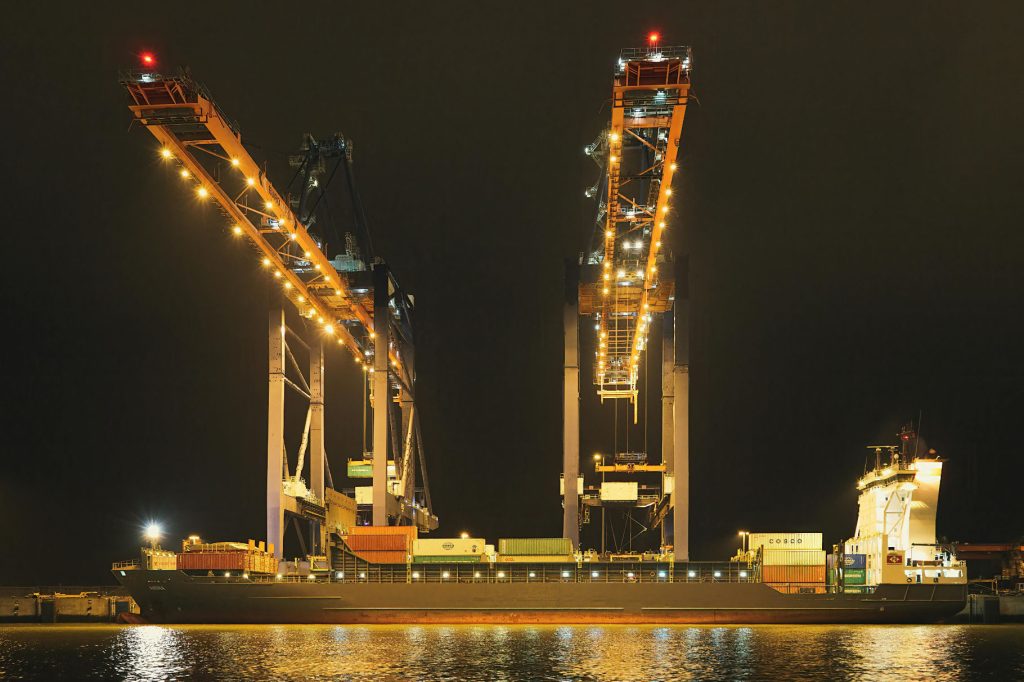
The Netherlands and Belgium serve as key entry points for cocaine coming into Europe via the ports of Rotterdam and Antwerp. They are frequently targeted by drug traffickers as entry points for South American cocaine from countries like Colombia, Peru and Bolivia.[/vc_column_text][vc_single_image image=”3517″ img_size=”full” alignment=”center” style=”vc_box_shadow_3d” css=””][/vc_column][vc_column width=”1/6″][/vc_column][/vc_row][vc_row][vc_column width=”1/6″][/vc_column][vc_column width=”2/3″][vc_column_text css=””]Despite efforts by authorities to increase surveillance and investments in detection technologies, the sheer volume of goods moving through these ports creates a significant challenge for law enforcement hoping to intercept shipments. Belgian authorities seized a record 110 tonnes of cocaine at the port of Antwerp in 2020, while the Netherlands’ police routinely uncover large quantities entering Rotterdam.[/vc_column_text][/vc_column][vc_column width=”1/6″][/vc_column][/vc_row][vc_row][vc_column width=”1/6″][/vc_column][vc_column width=”2/3″][vc_column_text css=””]
The Mocro Mafia’s Influence
The Moroccan mafia, often referred to as the “Mocro Mafia,” has significantly influenced the cocaine trade in Antwerp and Rotterdam – with sophisticated criminal networks for smuggling and distributing cocaine across Europe.
Morocco serves as a crucial link in this supply chain, facilitating the movement of cocaine from Latin America to Europe. In 2022, authorities intercepted 65.6 tonnes of cocaine at Antwerp, nearly doubling the amount seized in 2020.
The competition among criminal groups has also led to violence. A €40 million cocaine heist in Antwerp in 2024 resulted in shootings, kidnappings and torture across Europe and as far as Dubai – underscoring the international reach and brutality of the Mocro Mafia.[/vc_column_text][vc_video link=”https://youtu.be/lfFjJf_4jW8″ align=”center” css=””][/vc_column][vc_column width=”1/6″][/vc_column][/vc_row][vc_row][vc_column width=”1/6″][/vc_column][vc_column width=”2/3″][vc_column_text css=””]
The Impact on Drug Services
As cocaine use has surged, local drug treatment services in the Netherlands and Belgium have struggled to keep up with demand. Addiction services and rehabilitation centers have seen rising numbers of patients seeking help for cocaine addiction, overwhelming existing resources. The result is long waiting lists and reductions in effective care caused by insufficient funding.
Public health officials and addiction professionals are increasingly sounding the alarm about the limitations of the current system and the need for more investment in addiction services to manage the crisis effectively.[/vc_column_text][/vc_column][vc_column width=”1/6″][/vc_column][/vc_row][vc_row][vc_column width=”1/6″][/vc_column][vc_column width=”2/3″][vc_column_text css=””]
The International Search for Affordable Treatment
As drug treatment services buckle under the pressure, a growing number of addicts are seeking treatment abroad. The appeal of Thailand is particularly strong for those who cannot afford private treatment in the Netherlands or Belgium, where addiction recovery programs can be prohibitively expensive.[/vc_column_text][vc_single_image image=”3521″ img_size=”full” add_caption=”yes” alignment=”center” style=”vc_box_shadow_3d” css=””][vc_column_text css=””]With immediate access to inpatient treatment and clinical teams that can deliver long-term recovery from cocaine addiction at an affordable price, rehabs like One Step have become preferred treatment centers for Belgian and Dutch nationals.[/vc_column_text][/vc_column][vc_column width=”1/6″][/vc_column][/vc_row]